Article Centre · 40 guides

UK nominee director guides by decision stage.

Start with verification, then move through duties, money, public records, personal eligibility and safe information sharing. The guide number preserves the editorial article order.

Stage 1 · 4 guides

Start Here

Understand the legal office, test the proposition and decide whether it is worth investigating.

Guide 01

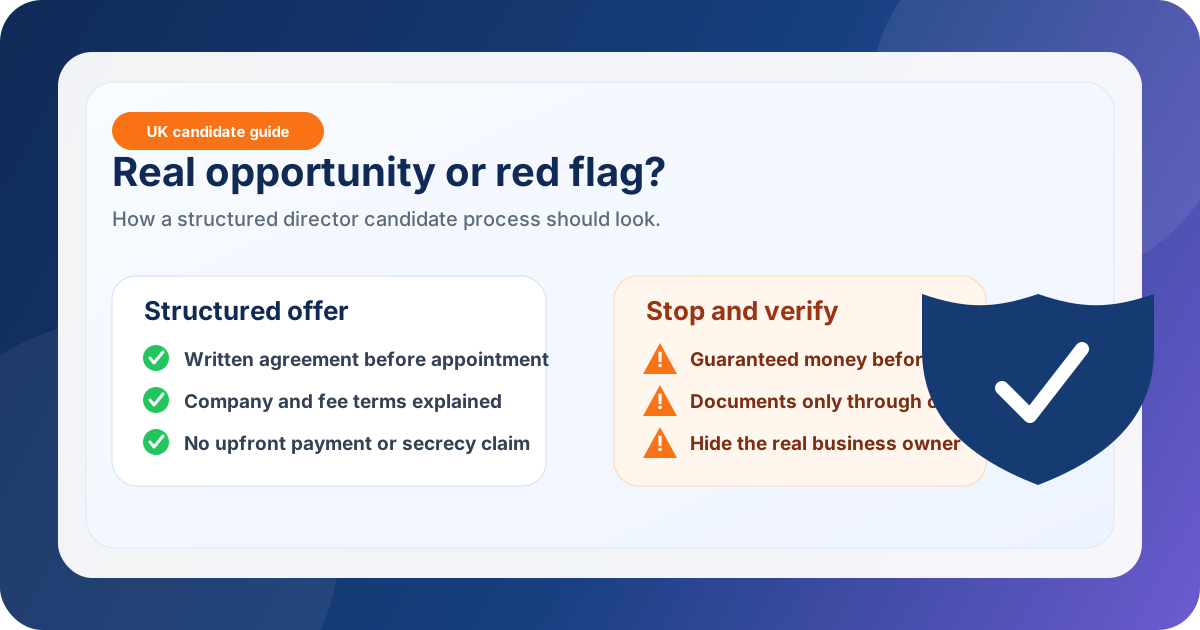
Is a Paid Nominee Director Opportunity Real or a Scam?

A paid nominee director opportunity can exist, but a website, contract or Companies House entry does not prove that an offer is genuine. Verify the provider, proposed company, controllers, payment terms and document handling independently before agreeing to anything.

Read guide →

Guide 02

What Is a Nominee Director in the UK?

A nominee director is formally appointed as a company director within an arrangement involving another party. UK law does not treat nominee as a lower-responsibility status, so the registered person must retain independent judgement and ordinary director duties.

Read guide →
Guide 03

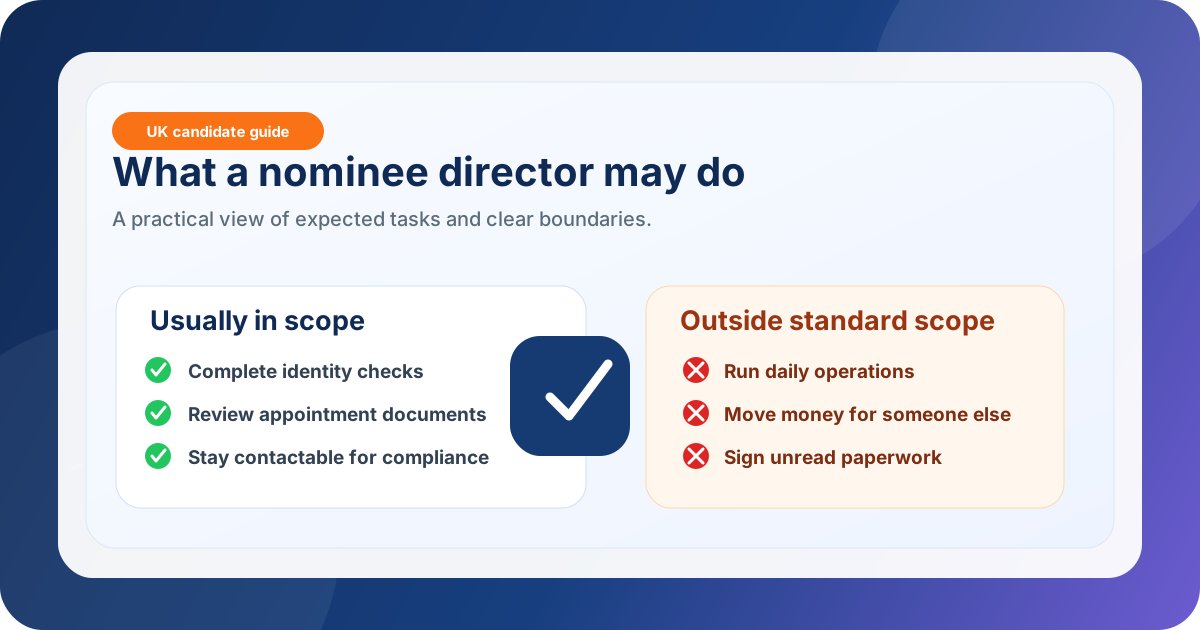
What Does a UK Nominee Director Actually Do?

A nominee director investigates before accepting, makes independent decisions and maintains proportionate oversight after appointment. Managers can carry out routine work, but a private agreement cannot remove the duties of a registered director.

Read guide →
Guide 04

Why Do Companies Use Nominee Directors?

Companies may use nominee directors for a disclosed governance or representation purpose, but there is no standard reason that makes an offer safe. A fee can pay for time and a real legal office; it cannot buy anonymity, obedience or relief from director duties.

Read guide →

Stage 2 · 8 guides

Application & Verification

Keep registration, private checks, company verification and final consent as separate decisions.

Guide 05

How to Become a Nominee Director in the UK

A nominee directorship should be approached as a sequence of evidence-based decisions, not a quick application. Eligibility, provider screening, company due diligence, statutory verification, contract review and formal appointment each serve a different purpose.

Read guide →
Guide 06

Nominee Director Onboarding Process: What Happens Next

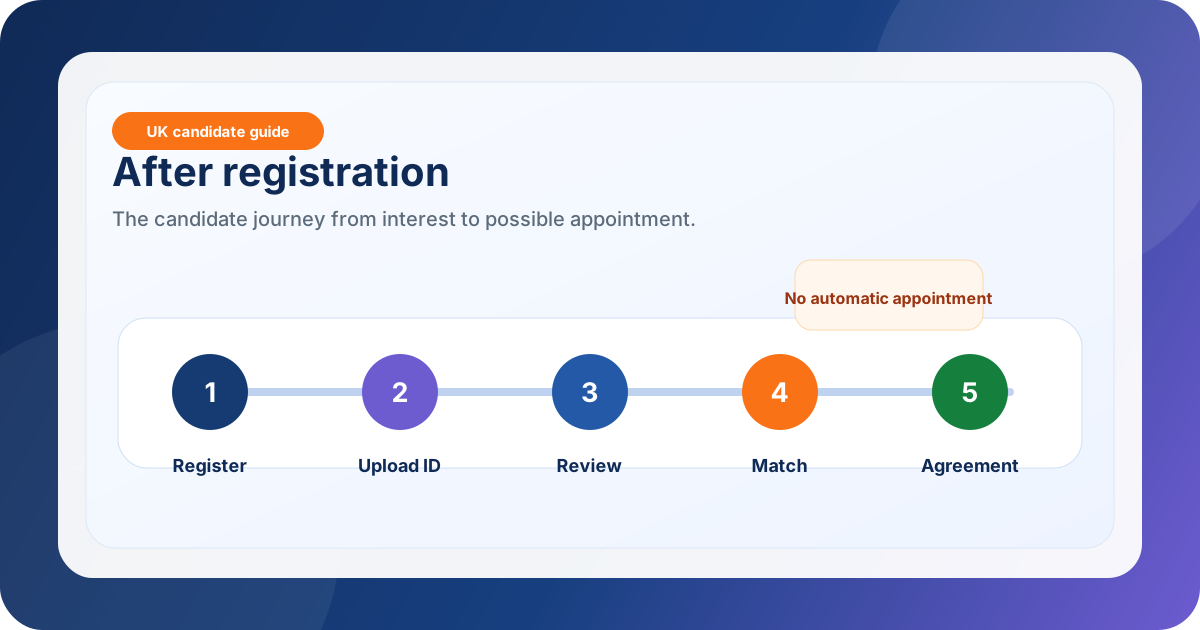
Registration is only an expression of interest, not an appointment or an identity check. Any later screening, KYC, matching and appointment steps should remain separate, explained and optional until you give informed consent.

Read guide →
Guide 07

Why Do I Need to Send ID for a Director Role?

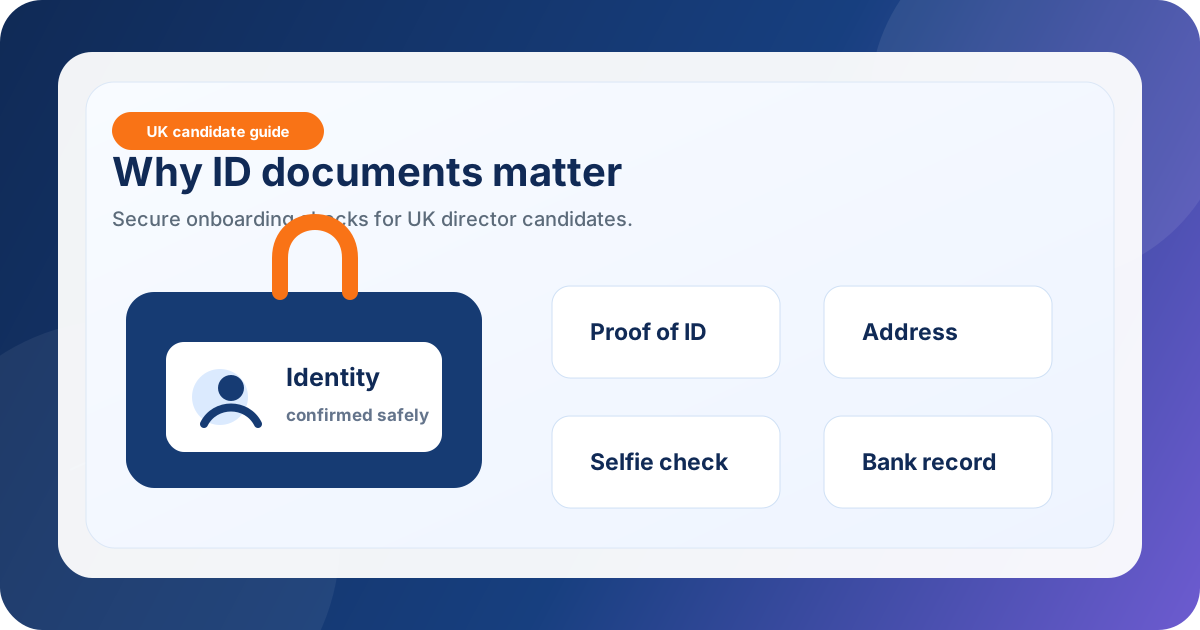
Identity documents may support a defined onboarding, AML or Companies House check, but those purposes are not interchangeable. Verify the requester, controller, legal basis, minimum evidence and retention terms before sending anything.

Read guide →
Guide 08

KYC for Company Directors in the UK

KYC for a director is one part of a regulated provider's wider customer due diligence. The provider must identify the right customer and beneficial owner, understand ownership, control and purpose, and apply risk-based review rather than checking only the proposed director.

Read guide →
Guide 09

Companies House ID Verification 2026: Directors' Guide

Mandatory Companies House identity verification began on 18 November 2025. New directors verify for incorporation or appointment, while existing directors connect their identity according to the confirmation-statement timetable for each company.

Read guide →
Guide 10

Is a Nominee Director Legal in the UK?

UK law does not create a lower-responsibility “nominee director” category or impose a blanket ban on every arrangement described that way. Lawfulness depends on the purpose, accurate ownership and control disclosures, a valid appointment, the director's conduct and any provider's compliance.

Read guide →
Guide 11

How to Check a Company Is Legitimate in the UK

No single register can prove that a company or director offer is legitimate. Build an evidence trail across Companies House, ownership and control, filings, insolvency information, regulatory claims, independent contact checks and the proposed appointment documents.

Read guide →
Guide 12

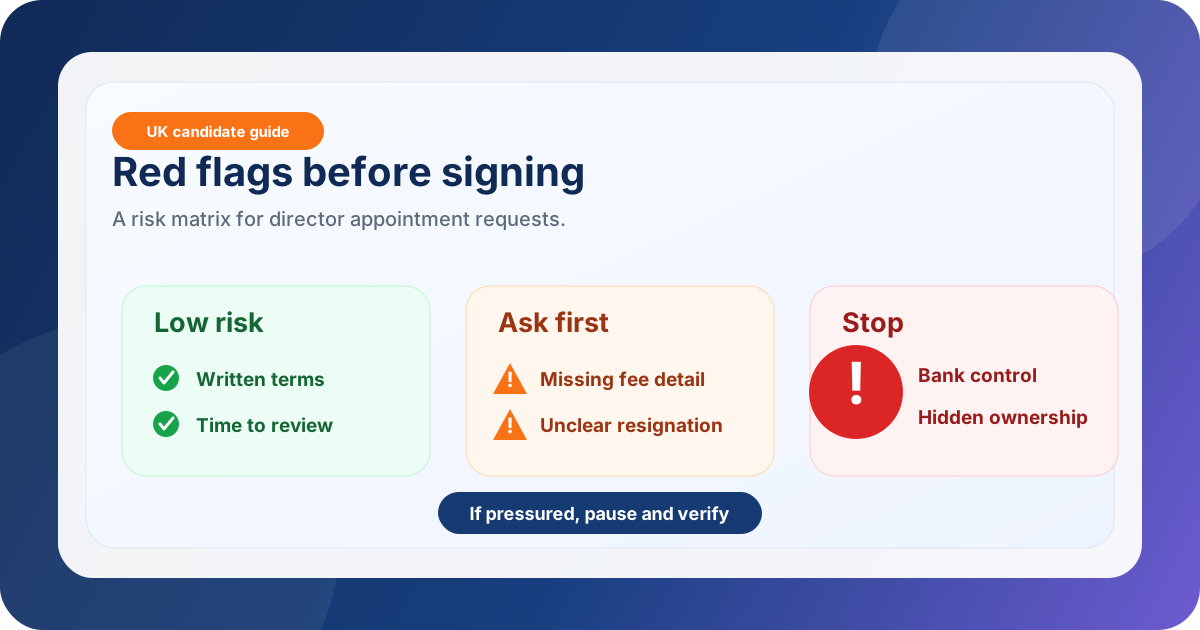
Red Flags in a Nominee Director Offer: Checklist Before You Accept

Stop if an offer depends on secrecy, false filings, unexplained money movements or signing documents you cannot verify. A written contract is useful evidence, but it cannot make an unsafe appointment safe or reduce a director's legal duties.

Read guide →

Stage 3 · 10 guides

Responsibilities & Roles

Compare legal capacities, oversight duties, authority, liability and exit protections.

Guide 13

Nominee Director Personal Liability in the UK: Where the Risk Falls

A director is not normally personally liable for all company debts simply because the company cannot pay. Personal exposure can arise from a guarantee, breach of duty, misuse of assets, particular insolvency or tax rules, false conduct, offences or acting while disqualified.

Read guide →
Guide 14

Can a Nominee Director Go to Jail in the UK?

A nominee director can be prosecuted and, for some offences, imprisonment is available, but the title or a company failure does not itself establish a crime. Criminal liability depends on the elements of a specific offence and evidence of the person's conduct, knowledge or intent where the provision requires it.

Read guide →
Guide 15

What Happens If a Company Goes Bust When You Are a Director?

A company going bust does not automatically make its directors liable or prove wrongdoing. Duties become creditor-focused as insolvency develops, and directors should protect assets, preserve records, avoid worsening creditor loss and obtain qualified insolvency advice promptly.

Read guide →
Guide 16

Nominee Director Indemnity Agreement: Limits and Questions to Ask

An indemnity may create a contractual right to reimbursement for defined liabilities, but it does not remove director duties or stop a claim, investigation or prosecution. The parties, lawful scope, exclusions, defence process, financial substance and survival after resignation all need independent review.

Read guide →
Guide 17

Company Director Filing Responsibilities: A UK Oversight Guide

A director may delegate filing administration, but must maintain a reasonable system for records, deadlines, approvals and proof of acceptance. Accounts, confirmation statements, HMRC work and in-year changes need separate controls.

Read guide →
Guide 18

Power of Attorney for a Nominee Director: Authority and Limits

A power of attorney can authorise defined acts for its donor, including execution of specified company documents where the law and approvals permit. It does not appoint the attorney as director or remove the nominee director’s duties.

Read guide →
Guide 19

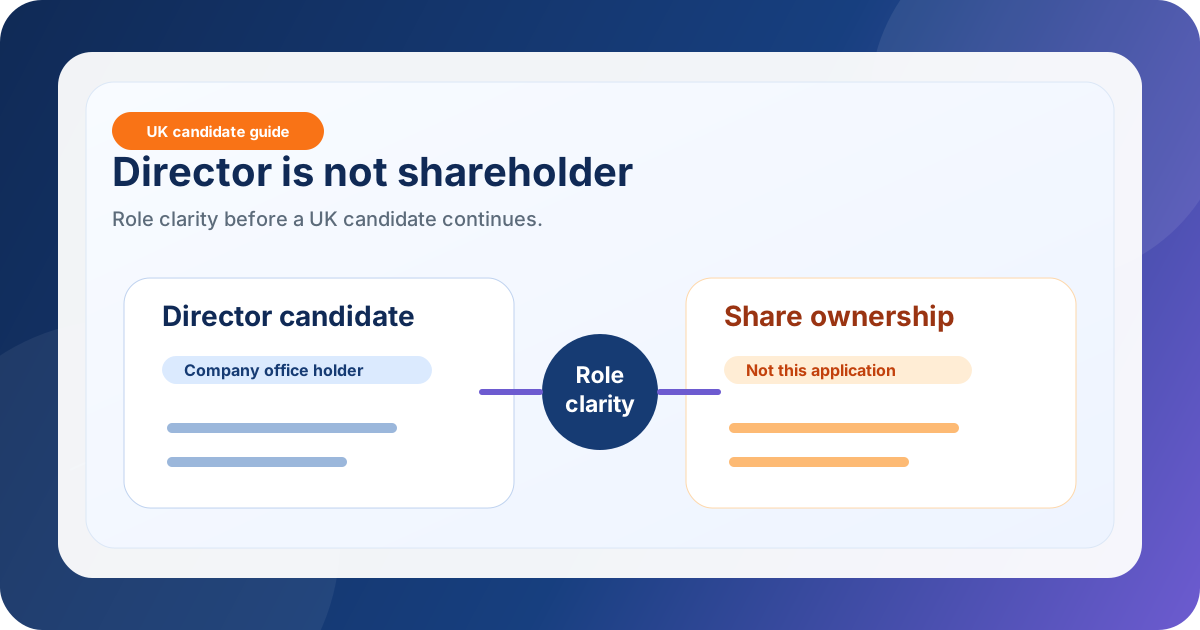
Nominee Shareholder vs Nominee Director: Roles, Rights and Control

A nominee director holds a formal company office and must make independent, informed decisions. A nominee shareholder is the registered member for shares that may be held for another beneficial owner.

Read guide →
Guide 20

Beneficial Owner vs Nominee Director: UK Roles Explained

A beneficial owner ultimately owns or controls value or decisions, while a nominee director is formally appointed to the company's board. The roles can overlap, but neither a nominee label nor a private agreement removes director duties or PSC and AML disclosure requirements.

Read guide →
Guide 21

Nominee Director vs Shadow Director: Appointment, Influence and Duties

A nominee director is appointed to office and remains subject to full director duties. A shadow director may lack formal appointment but is identified from a pattern in which the board follows that person’s directions or instructions.

Read guide →
Guide 22

Non-Executive Director vs Nominee Director: UK Guide

Non-executive usually describes a director's relationship to day-to-day management, while nominee describes the relationship behind selection or appointment. They are not opposite legal categories, and either person remains subject to ordinary director duties.

Read guide →

Stage 4 · 6 guides

Fees, Tax & Benefits

Check the payer, payroll treatment, personal reporting and the realistic value of a proposed fee.

Guide 23

How Much Do Nominee Directors Get Paid?

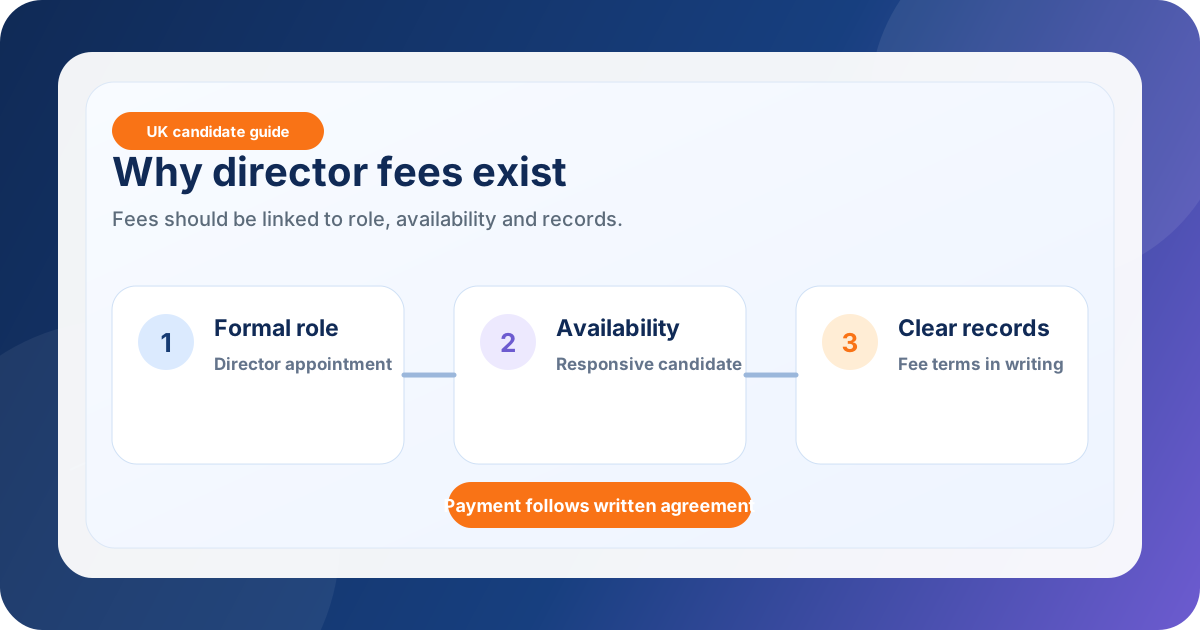
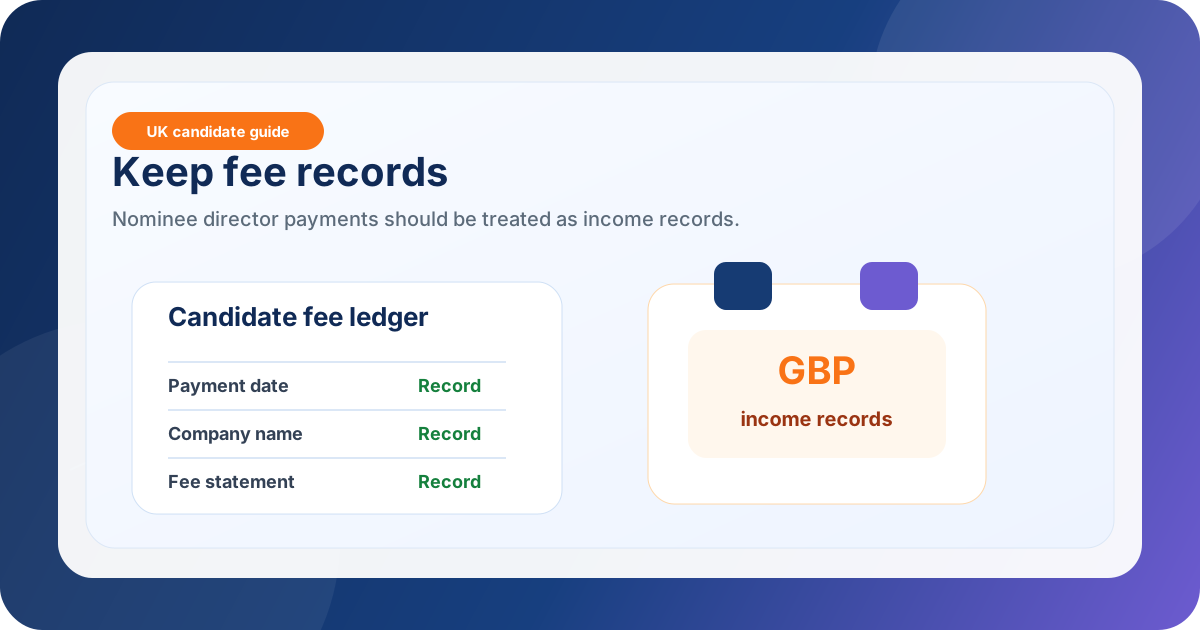
There is no verified UK-wide average that can predict what a nominee director will be paid, and this site does not promise an amount or frequency. Judge a specific proposal by its scope, payer, payment trigger, payroll treatment, evidence and non-payment risk.

Read guide →
Guide 24

Are Nominee Director Fees Taxable in the UK?

Nominee director fees are not automatically tax-free or casual self-employed income. Fees paid for holding a director's office are generally employment income and normally go through the office-holding company's PAYE payroll.

Read guide →
Guide 25

Are Director Fees PAYE or Self-Employed Income?

Fees paid directly for holding a company director's office are generally employment income and normally handled through PAYE by the company in which the office is held. A narrow appointing-company or professional-partnership treatment may apply only when detailed statutory conditions are met.

Read guide →
Guide 26

Do Company Directors Need Self Assessment?

A company director does not automatically have to complete Self Assessment merely because of the office. Filing depends on HMRC notices, untaxed income, dividends and the person's wider tax position.

Read guide →
Guide 27

Director Fees and Universal Credit: What to Report

A directorship and any director fees should be disclosed accurately to Universal Credit; do not assume PAYE means no further action. The treatment can depend on payment timing, ownership, control and whether the claimant is treated as having employed or self-employed earnings.

Read guide →
Guide 28

Is Nominee Director Income Worth It?

Nominee director income is not automatically worth it, even when the fee is paid as agreed. The decision depends on whether you can fulfil the real director role, verify the company and payer, absorb the personal effects and accept the remaining risk after tax and costs.

Read guide →

Stage 5 · 6 guides

Public Record & Leaving

Understand searchable records, address choices, employment or credit effects and how departure is recorded.

Guide 29

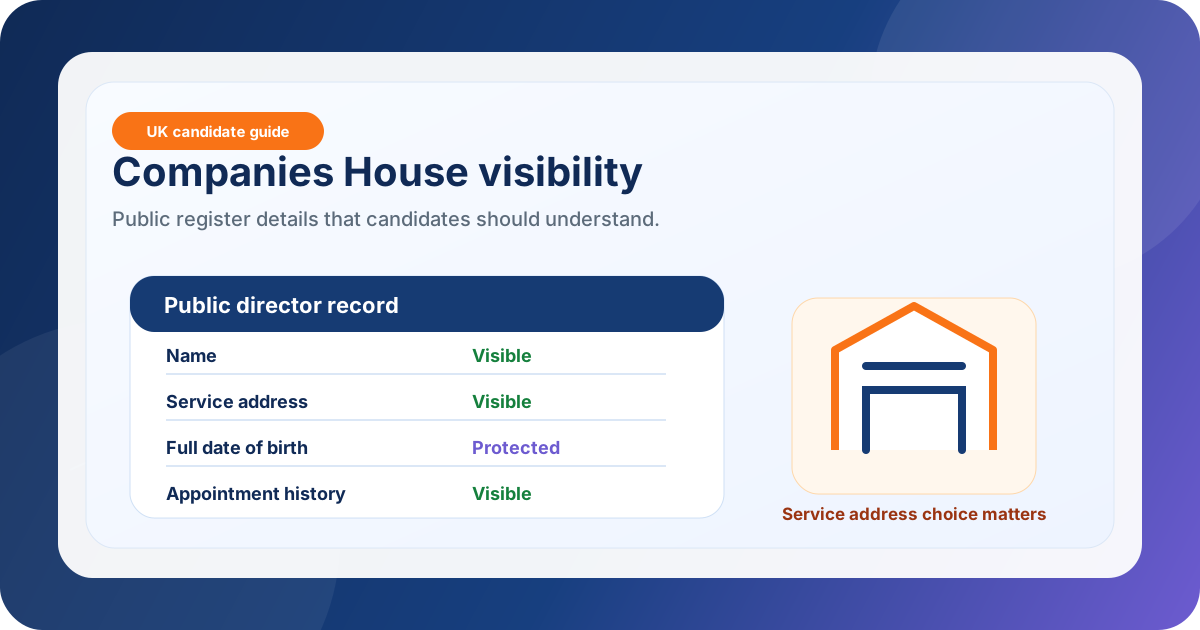
Will My Name Be Public If I Am a Director?

Yes. A UK company director's name and core appointment details are normally public on the Companies House register. A home address and full date of birth usually stay private, but address choices and historic documents can expose more.

Read guide →
Guide 30

Service Address vs Residential Address at Companies House

A director's service address is public correspondence information, while their usual residential address is normally kept on a private Companies House register. Using a home in a public field makes it visible, and a later change does not automatically alter historic documents.

Read guide →
Guide 31

Can Employers See My Directorships?

A current or prospective employer can find current and former directorships on the public Companies House register. Whether you must tell them proactively is a separate question governed by your contract, policies, professional rules and conflicts.

Read guide →
Guide 32

Does Being a Director Show on Your Credit File?

A UK directorship is public at Companies House and may be held in business credit data, but appointment alone is not the same as a negative entry on a personal consumer credit report. Personal guarantees, personal borrowing, judgments, insolvency and a lender's own checks can create different consequences.

Read guide →
Guide 33

How to Resign as a Director in the UK

Check the company's articles and relevant contracts, give clear written notice, complete a documented handover and verify the public update. The company must tell Companies House within 14 days after the office ends, but TM01 normally records rather than creates the resignation.

Read guide →
Guide 34

Why Am I Still on Companies House After Resigning?

Resignation normally leaves a public former-director record; the expected change is a resigned status and end date, not deletion. An entry that remains active needs checks of the notice, effective date and company filing before any correction or dispute route is chosen.

Read guide →

Stage 6 · 5 guides

Eligibility & Personal Circumstances

Check the rules and personal consequences that apply to retirement, study, work, insolvency or convictions.

Guide 35

Can a Retired Person Be a Company Director?

Retirement is not, by itself, a bar to becoming a UK company director. Suitability depends on the usual legal restrictions, the ability to perform the office and the person's own tax, pension and benefit position.

Read guide →
Guide 36

Can a Student Be a Company Director in the UK?

Being a student does not by itself prevent someone from becoming a UK company director. Age, immigration permission, director duties, study commitments and the financial consequences still need separate checks.

Read guide →
Guide 37

Can I Be a Director While Employed?

Employment does not create a general ban on holding a company directorship. Your contract, employer policies, professional rules, conflicts, confidentiality duties and capacity to perform both roles determine whether a particular appointment is workable.

Read guide →
Guide 38

Can You Be a Company Director During Bankruptcy in the UK?

In England and Wales, an undischarged bankrupt normally needs court permission to act as a company director or take part in company management. Scotland and Northern Ireland use separate insolvency systems, and extended restrictions or disqualification can continue.

Read guide →
Guide 39

Can You Be a UK Company Director With a Criminal Record?

A criminal record does not automatically prevent someone becoming a UK company director for life. A current disqualification, a conviction linked to company management, lawful disclosure duties or a regulated-sector fit-and-proper test can change the answer.

Read guide →

Stage 7 · 1 guides

Sharing Information Safely

Share neutral information without transferring another person's data or promising outcomes or rewards.

Guide 40

How to Refer Someone for a Director Opportunity Safely

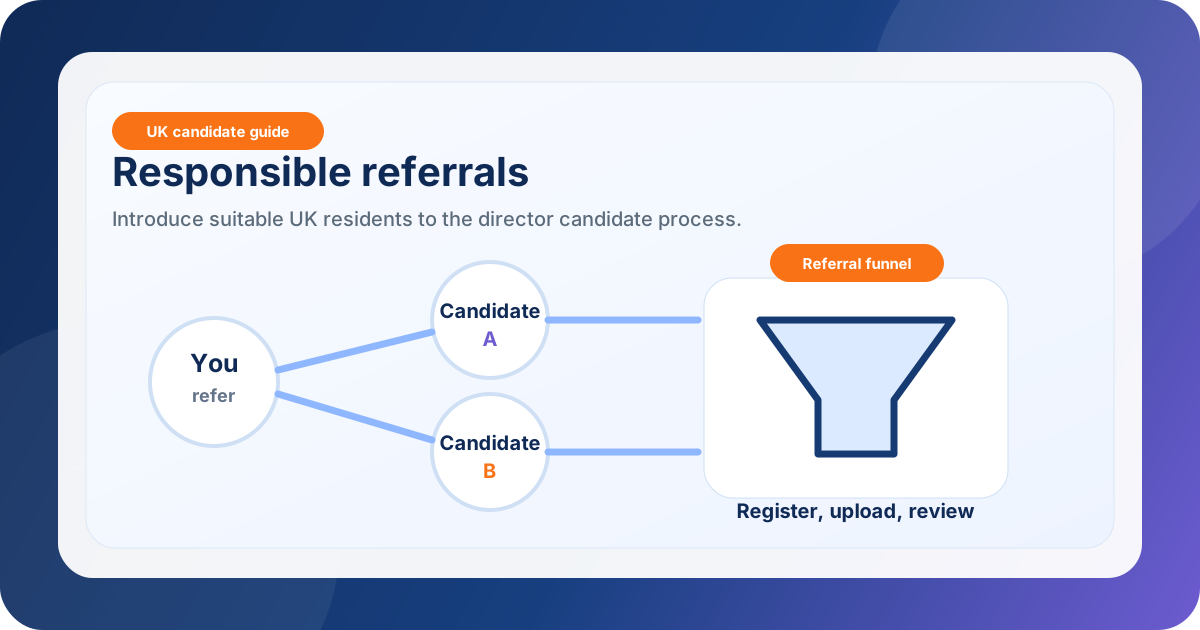
A responsible introduction begins with the other person's agreement and a neutral account of the legal role. Let them contact the service themselves, and never collect identity or financial documents for them.

Read guide →

Pause when evidence is missing.

Do not use a public document-upload route. Verify the organisation, recipient, purpose and privacy information before sharing sensitive data, and treat declining as a valid outcome.